Import guide
How to Import a Jetour T2 RHD from China: A Step-by-Step Guide for Overseas Buyers
From choosing between the 1.5T and 2.0T to the documents your clearing agent needs — the full import process for a right-hand-drive Jetour T2, in eight steps.
EVtoU Export TeamPublished 7 min read
Importing a Jetour T2 in right-hand drive from China takes eight steps: choose the configuration, confirm your country's import rules, request an FOB or CIF quotation, agree the proforma invoice, pay, inspect, ship and clear the vehicle at your port. This guide walks through each one and tells you what to prepare.
Step 1: Which Jetour T2 configuration should I import?
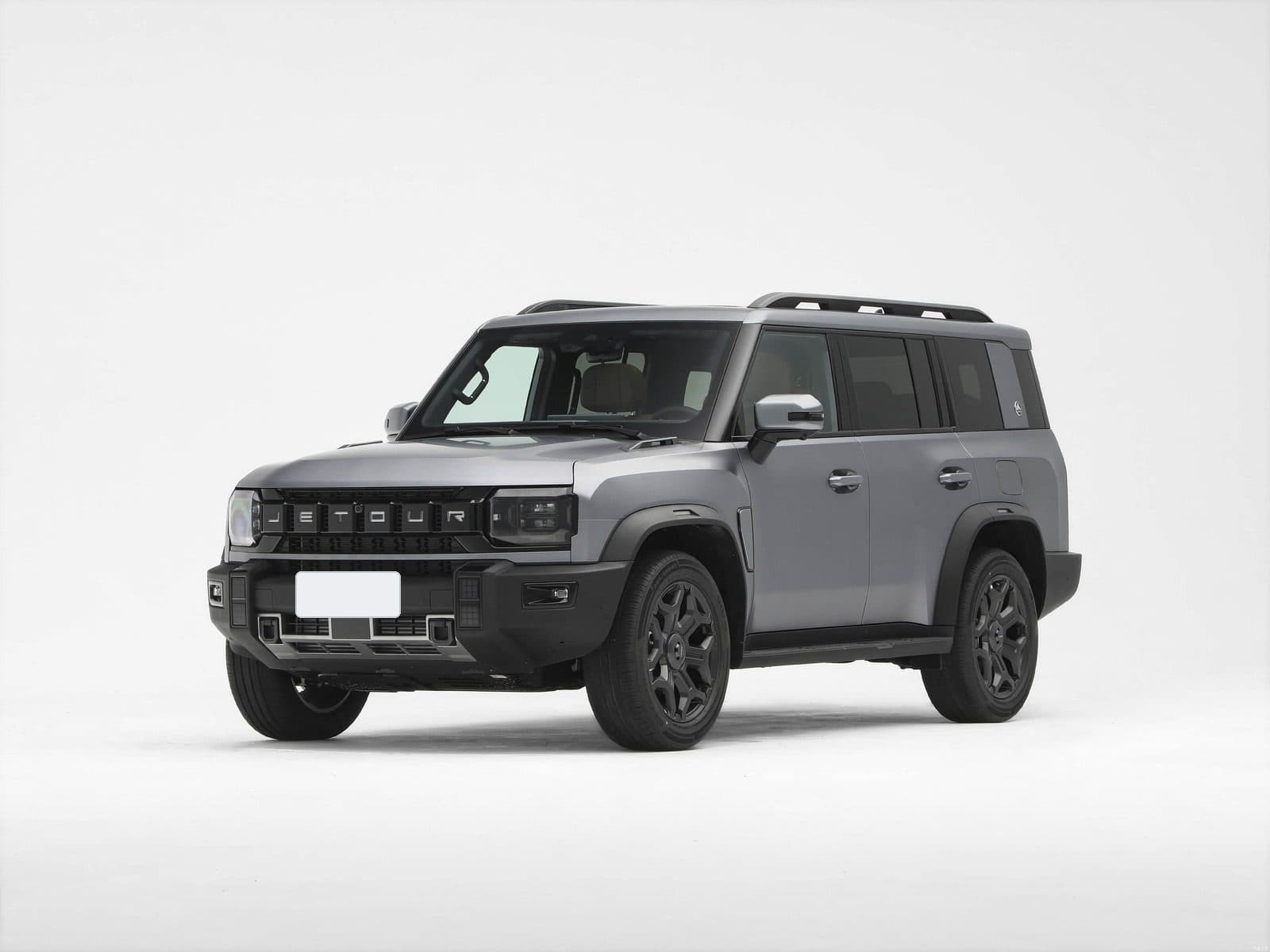
The T2 comes with two engines. The 1.5TD (135 kW, 290 N·m) drives the front wheels through a 7-speed dual-clutch gearbox and is the economical choice for city and highway driving. The 2.0TD (187 kW, 390 N·m) adds on-demand four-wheel drive, a rear differential lock and a 1,600 kg towing rating. A long-wheelbase PLUS version offers seven seats.
| If you need… | Choose |
|---|---|
| City and highway use, lowest running cost | T2 1.5TD FWD |
| Gravel, sand, mud, safari or site work | T2 2.0TD 4WD |
| Towing a trailer or boat | T2 2.0TD (1,600 kg rating) |
| Seven seats | T2 PLUS 7-seat, or the Jetour X70 |
Step 2: Check your country's import rules first
Before you pay for anything, ask a licensed clearing agent in your country three questions: which import permits or inspections apply to new vehicles, how import duty and taxes are calculated, and which documents they need from the exporter. Rules differ between countries and change over time — our market guides link to the relevant revenue authority for each destination.
Step 3: Request an FOB or CIF quotation
Send us the model and engine, quantity, colors, destination port and whether you want FOB (you arrange shipping) or CIF (we include sea freight and insurance to your port). If you are unsure which is better, ask for both. The export process page explains the difference in detail.
Step 4: Agree the proforma invoice
Once you accept the quotation, we issue a proforma invoice (PI). Check every line: model, engine, gearbox, trim, right-hand drive, color, quantity, price, Incoterm, payment terms and shipment window. The PI is the specification we deliver against, so correct anything before you pay.
Step 5: Payment and allocation
Payment terms are stated on the PI. After payment, in-stock vehicles can be shipped within 10 working days; vehicles that must be sourced take longer, and the sales team confirms the timeline in advance.
Step 6: Inspection and milestone updates
Vehicles are checked against the PI before loading, and you receive a photo or video at each milestone. If your market or your bank requires a third-party pre-shipment inspection, request it at the quotation stage.
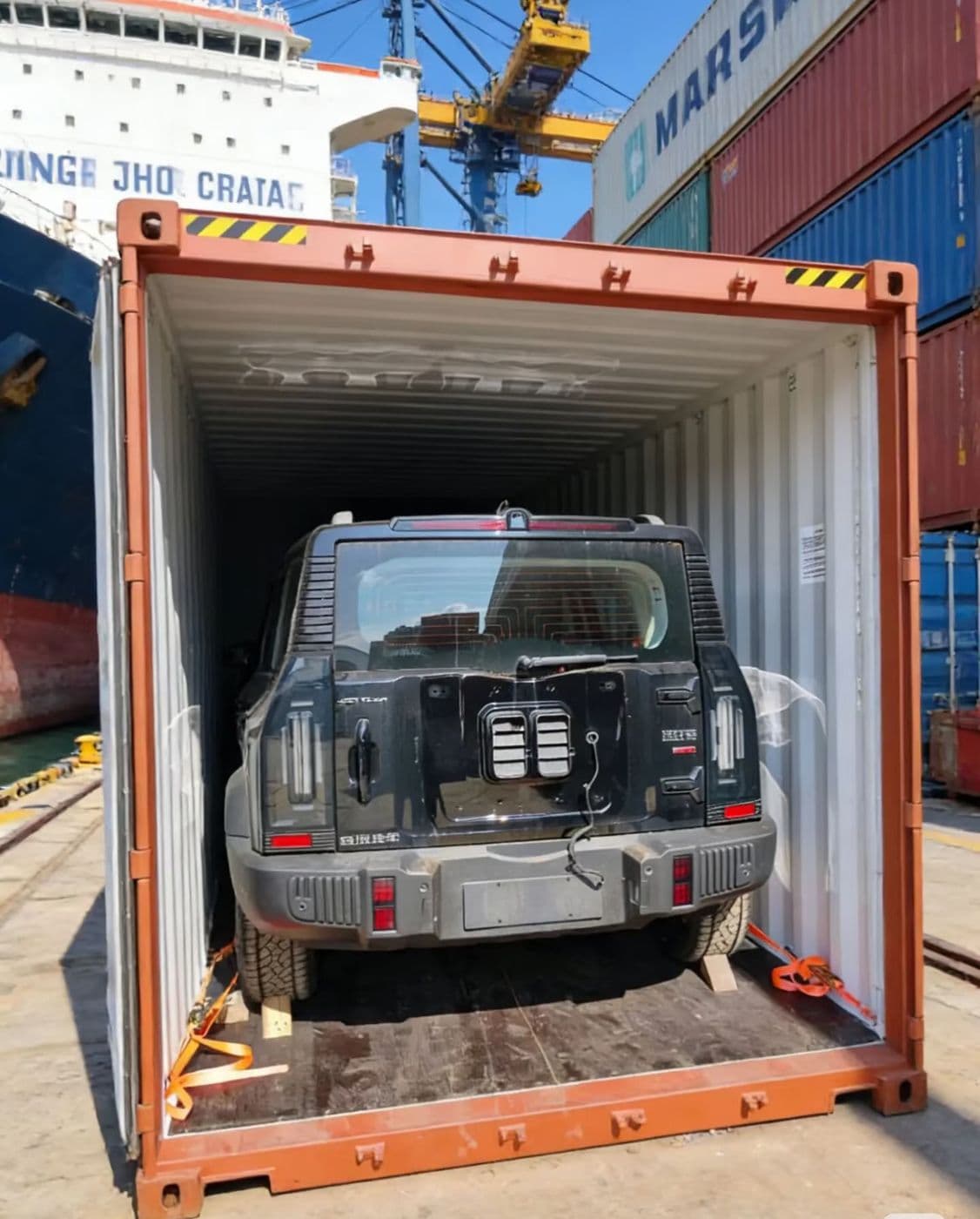
Step 7: Shipping — Ro-Ro or container?
- Ro-Ro suits larger quantities to main ports such as Mombasa, Dar es Salaam or Durban.
- Containers suit one to a few vehicles, island destinations and mixed loads. A 40HQ container can carry more than one vehicle depending on the models.
Step 8: Documents and clearance at your port
We send the export documents — typically the commercial invoice, packing list, bill of lading and certificate of origin, plus anything else your agent requested. Your clearing agent uses them to pay duties, complete inspection and register the vehicle.
Updated · EVtoU Export Team